What a Data Breach Means for You — and How to Protect Yourself
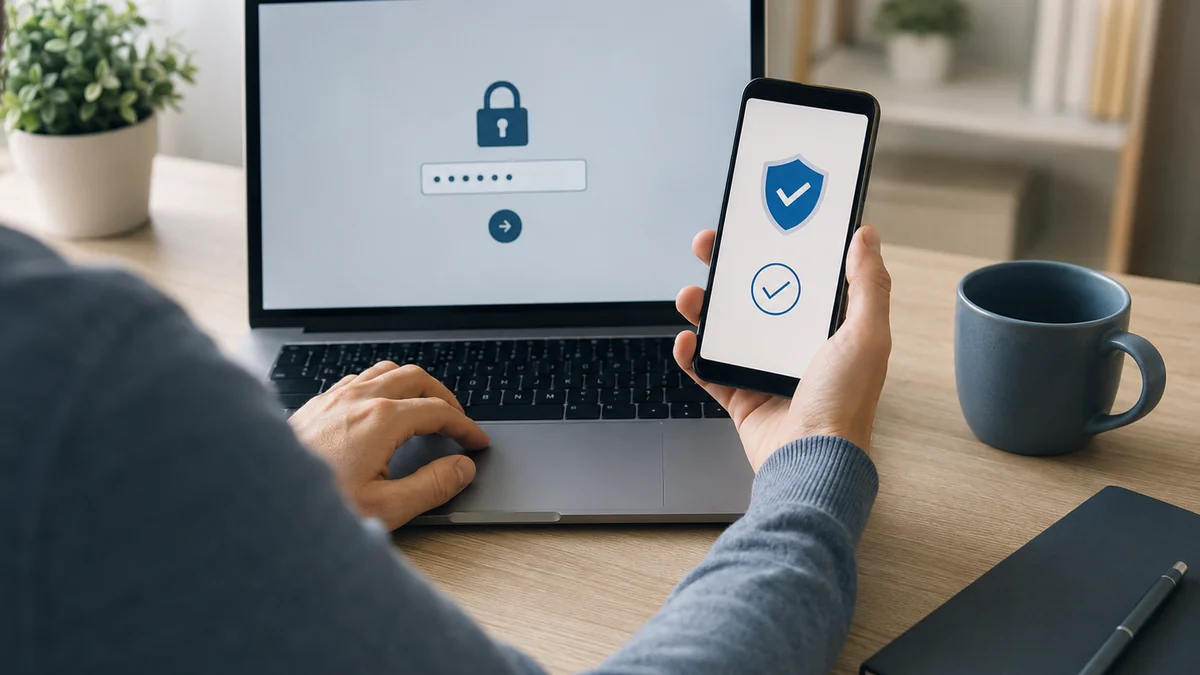
News of a large data breach — like the Department for Education incident that exposed around 607,000 records — can be unsettling, even when the leaked information is "only" names, job titles, email addresses and phone numbers. Here is a calm, practical guide to what that actually means and what you can do about it.
Why contact details matter
On their own, an email address and a phone number will not empty your bank account. Their value to criminals is as a starting point. Armed with your name and a legitimate-looking reason to contact you, scammers can craft convincing phishing emails and calls designed to trick you into handing over the details that do matter — passwords, card numbers and one-time security codes.
Practical steps to take now
- Treat unexpected messages with suspicion. Be wary of emails or calls that create urgency, especially those that reference an organisation you have dealt with.
- Never click links in unsolicited messages. Instead, go to the organisation's website directly by typing the address yourself.
- Turn on two-factor authentication. Even if a password leaks, a second check on your phone or an app can keep an account locked.
- Use a password manager. Unique passwords for every account mean one breach cannot unlock the rest of your life online.
- Verify before you act. If a "bank" or "government department" calls, hang up and ring them back on a number you already trust.
What to watch for afterwards
In the weeks after any breach, expect a possible uptick in spam and scam attempts. A message that addresses you by name is not proof it is genuine — that is exactly the information that leaks in these incidents. Slow down, check the sender, and remember that legitimate organisations will never pressure you into sharing a password or security code.
The bigger picture
Breaches are now a routine feature of digital life, and no single leak means disaster. The households that stay safest are the ones with good habits already in place: strong, unique passwords, two-factor authentication switched on, and a healthy scepticism towards anything that arrives out of the blue. Build those habits once, and the next breach becomes a headline rather than a headache.